


AlamSehat AlamSehat
Man in a plain t-shirt standing in a daylight workshop corridor beside a stone wall
Everyday basics Food · water · rest · movement
Healthy lifestyle guide

A Practical Healthy Lifestyle Guide for Men

Supplements make more sense when the basics are in place. This guide covers food, movement, and rest in the everyday version that fits real schedules in Indonesia — not an idealized routine.

Before you buy anything

The routine a supplement is meant to sit on

Nothing on this page is complicated, and none of it costs much. Read it as a checklist you can actually keep, and treat any natural supplements for men — or any vitamins and minerals for men — as the small extra they are, not the foundation.

The advice below is the same for a desk worker in Medan, a driver on the morning shift, and a man who studies late most nights. The schedule changes; the basics do not. Start where you are, hold one thing steady for a month, then look at the pattern instead of any single day.

Daily habit
Protein at every main meal
Daily habit
Water through the whole day
Weekly habit
Movement five days, strength twice
01 — Food

Building a plate that holds energy

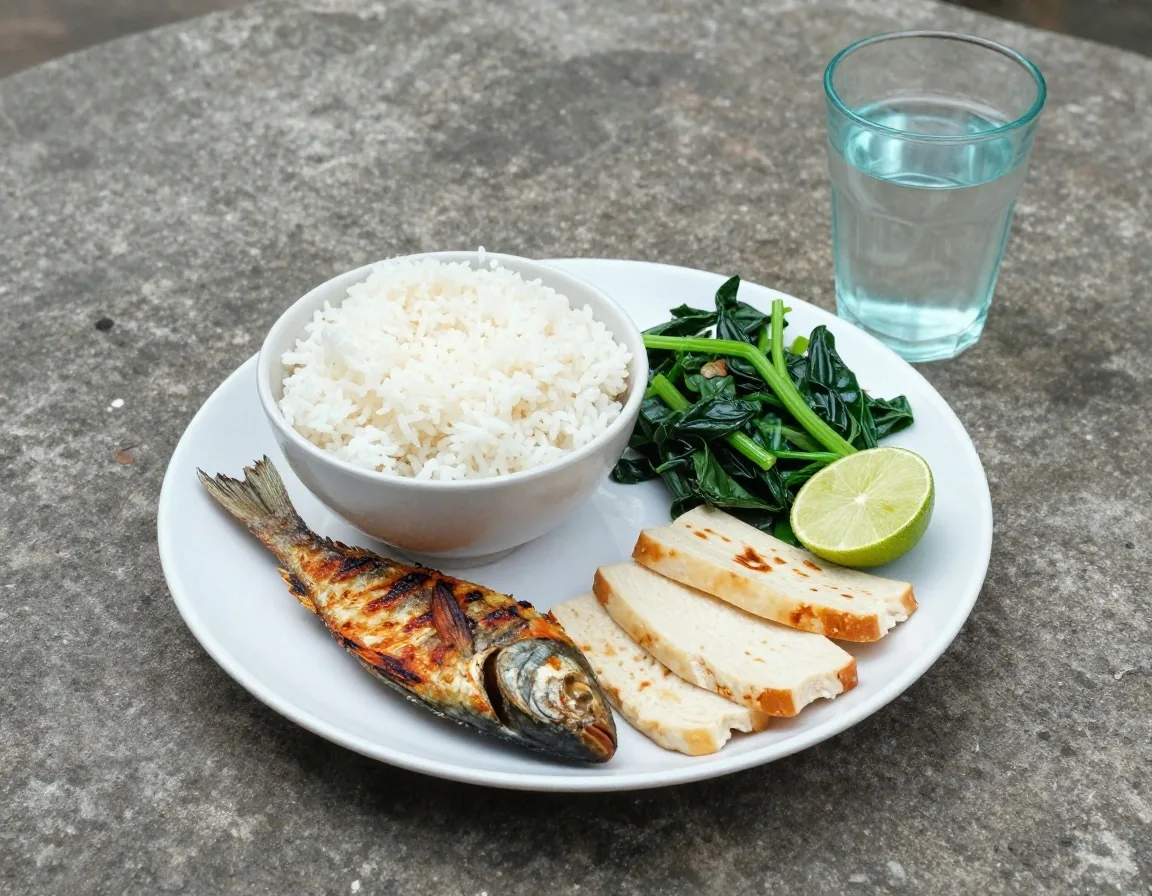
A useful habit is to include a protein source at every main meal: eggs, fish, chicken, tempeh, tofu, or beans. Add vegetables in some form, and keep rice portions moderate rather than absent. You do not need to count anything; the shape of the plate does most of the work.

Fruit between meals works better than sweet drinks for most men who feel an afternoon dip. Keep a bowl of something in season where you can see it, and you will reach for it before you reach for the kettle.

Everyday meal on a stone surface with rice, fish, greens, tempeh and a glass of water
A plate you can repeat on a workday
02 — Water

Hydration in a hot climate

In Medan and similar cities, sweat losses continue even when you are not exercising, and thirst arrives late. A simple target is a glass of water on waking, one with each meal, and more around any physical work. Pale urine is a rough sign that intake is adequate. Coffee and sweet tea do count as fluids, but not as replacements for water.

A day that works
  • On waking 1 glass
  • With each meal 1 glass, ×3
  • Around physical work extra, as needed
  • Coffee and sweet tea count, but do not replace
Man walking along a quiet residential street in the late afternoon
03 — Movement

Movement that fits a working week

Thirty minutes of moderate activity on most days is the common recommendation, and it can be split into shorter blocks. Walking during a lunch break, taking stairs, or cycling short distances all qualify. Add two sessions of strength work weekly, using bodyweight or simple equipment, to protect muscle and bone as you age. The best routine is the one you repeat, not the most ambitious one.

If a full session feels out of reach on a working day, two fifteen-minute blocks hold up better than one heroic weekend attempt. Energy and endurance supplements for men make far more sense once this weekly pattern is already in place.

A week that fits
  • Mon 30 min walk
  • Tue Strength, 20 min
  • Wed 30 min, split twice
  • Thu Strength, 20 min
  • Fri–Sun One long walk, one rest day
04 — Rest

Sleep as the base layer

Most adults do best with seven to nine hours, at roughly the same times. Screens and caffeine late in the day push sleep later, and a hot room does the same. A dark, ventilated room and a consistent wake time help more than any evening product.

If you snore heavily or wake unrefreshed for weeks, mention it to a qualified health professional rather than adding another product to the shelf.
05 — Recovery

Stress, work rhythm, and recovery

Long commutes, shift work, and family duties add up, and the body responds to sustained pressure with fatigue and poorer sleep. Short recovery breaks during the day help: a walk, a few minutes of quiet breathing, a proper lunch away from the desk.

Alcohol in the evening reduces sleep quality even when it seems to help you fall asleep. Cutting back is often the single easiest change available, and it asks nothing of your budget.

06 — Limits

Smoking, alcohol, and the limits of supplements

No capsule offsets smoking. If you smoke, reducing or stopping is the highest-value change available to you, and support exists through ordinary health services.

Alcohol is the second common factor, mainly through sleep and calorie intake. Supplements are not a counterweight to either habit, and any page that suggests otherwise is misleading you. The rest of this guide assumes you are also reading the two lines above this one.

What helps

Holding the daily basics steady for a month before adding anything new.

What to skip

Any product that promises to cancel an evening of drinking or a pack of cigarettes.

07 — Checklist

A simple weekly checklist

Keep it short. Tick what you did, without scoring yourself. After a month, look at the pattern rather than any single day — this is the routine a supplement is meant to sit on top of.

At main meals

A protein source on the plate

Eggs, fish, chicken, tempeh, tofu, or beans — whichever is on hand that day.

Through the day

Water with every meal

Plus one glass on waking and more around any physical work or heat.

Most days

Thirty minutes of movement

Split into two fifteen-minute blocks on days that do not allow one run.

Twice a week

Strength sessions

Bodyweight or simple equipment is enough; the point is repeating it.

Most nights

A consistent bedtime

Dark, ventilated room; screens and caffeine out of the last hour.

Once a week

A real rest day

Not a second workout on a tired body — a day you actually leave alone.

Six lines, one month. If a supplement is part of your routine, it belongs alongside these — not in place of them. That is the whole point of pairing healthy lifestyle products with a plan you can keep.

08 — Supplements

Where supplements fit in

If the checklist is steady and something is still missing, that is the point to consider a specific product rather than a general one. A vitamin D capsule for indoor work, or magnesium where diet is short, is a targeted choice. Take one change at a time so you can tell what did what.

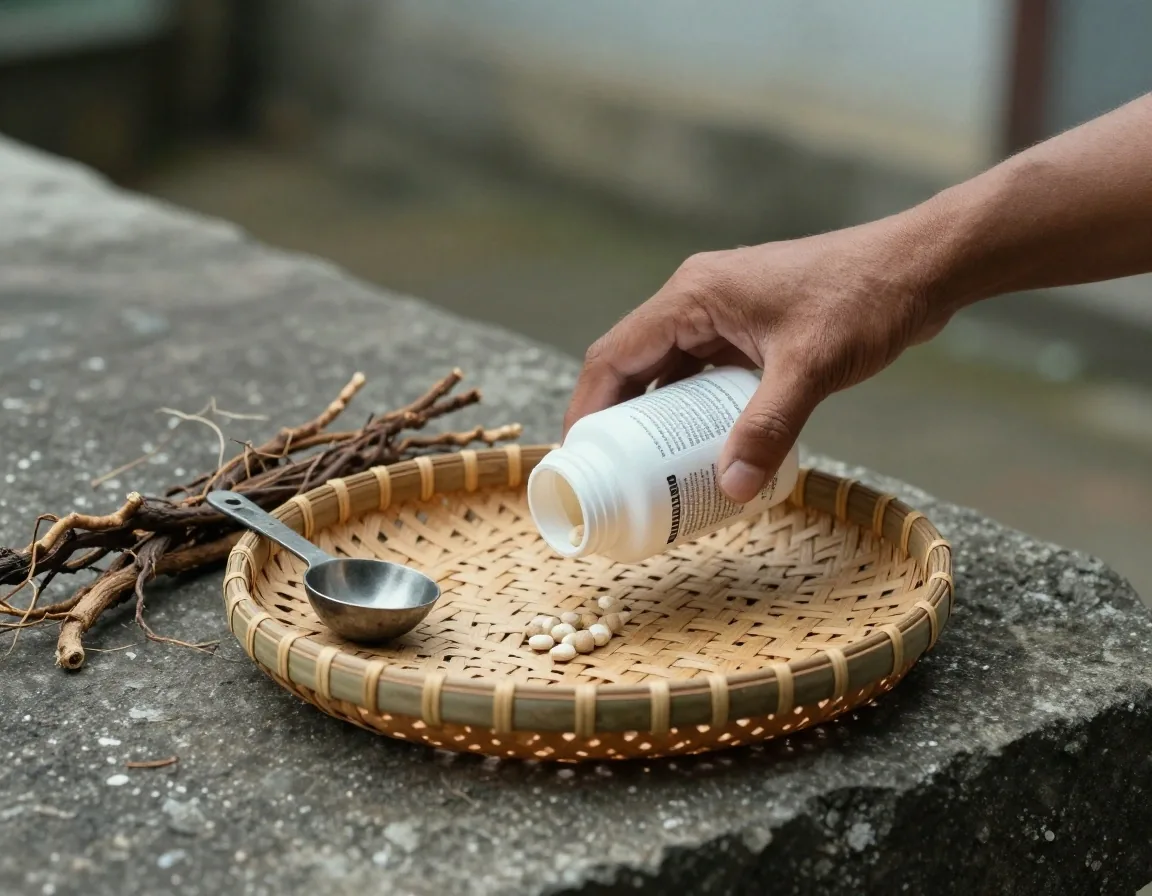
Unbranded supplement bottle, scoop and dried roots on a stone workshop bench

Categories on this site group men's vitamin supplements by what they are for — daily basics, energy and endurance, or a single mineral where food intake is short. The product pages explain format, typical serving, and who each category suits, so you can match one product to one gap rather than stacking several at once.

If you are considering natural capsules for strength and vitality, read the category page first, then give the change a fair month before judging it. Products sold here are dietary supplements, not a substitute for a varied diet or for advice from a qualified health professional.

Common questions

Questions we hear about the basics

Do I need to count calories to follow this guide?
No. The shape of the plate does most of the work: a protein source at each main meal, vegetables alongside it, and rice kept moderate rather than removed. Counting helps some men, but it is not required to hold the habit.
How much water is enough in a hot city?
Start with a glass on waking, one with each meal, and more around physical work or long time outdoors. Pale urine is a rough signal that intake is adequate. Coffee and sweet tea count as fluids but do not replace water, and thirst tends to arrive late here.
Can I train thirty minutes all at once, or does it have to be one block?
Either works. Thirty minutes on most days is the common recommendation, and it can be split into shorter blocks — a walk at lunch, stairs instead of the lift, a short cycle in the evening. Add two strength sessions weekly on top of that.
When should a supplement come into the picture?
Once the daily basics are steady and something specific is still missing. Then choose one targeted product rather than a general one, take it for a fair stretch, and change only one thing at a time so you can tell what did what.
I work nights — does this routine still apply?
The basics hold; the clock shifts. Anchor sleep to roughly the same window each day, keep the room dark and ventilated, and treat meals as meals rather than constant snacking through the shift. Movement can be split into shorter blocks around your sleep window.

Start with the basics, then choose one product

If you would rather read the deeper material first, the energy and endurance guide goes into daily rhythm and training load. If you have a question about a specific category before you decide, we answer by phone and email on working days.

Visit
Jl. Gatot Subroto No. 287, Medan Petisah, Medan, 20112
Phone
+62 61 4526 2806
Email and hours
[email protected]
Monday to Friday, 09:00–18:00